
Furniture Styles for Modern Interiors
In the ever-evolving realm of home design, modern interiors stand out for their ability to combine functionality with aesthetic appeal. As lifestyles change, so too does the demand for interiors that reflect simplicity, elegance, and a touch of luxury. Selecting the right furniture style is crucial to creating a contemporary space that feels both inviting and personalized. Throughout this article, we will explore various furniture styles that have become must-haves in modern interiors. By understanding these styles and their unique attributes, readers can cultivate an environment that resonates with their own design sensibilities.
Furniture is not merely decor but a reflection of one's lifestyle choices. The right furniture pieces can serve as focal points that unify a room's design, complement its function, and enhance the overall atmosphere. This article delves into six predominant furniture styles that have been widely embraced in modern homes. From contemporary minimalist to rustic farmhouse, these styles offer a multitude of options for homeowners wishing to revitalize their interiors. Additionally, we will touch upon how current market trends, supported by reliable data, forecast an increase in interior design interest.
According to Grand View Research, the global interior design market is projected to grow by 4.1% from 2024 to 2030, signifying a heightened appreciation for thoughtfully designed spaces. With this uptick in demand, knowing which furniture styles are influential can guide readers in making informed decisions for their living spaces. This article is structured to provide detailed insights into each style, focusing on characteristics, materials, and the specific rooms where they excel. As each section unravels, readers will gain practical advice on selecting and incorporating these styles into their own homes.
1. Contemporary Minimalist Style
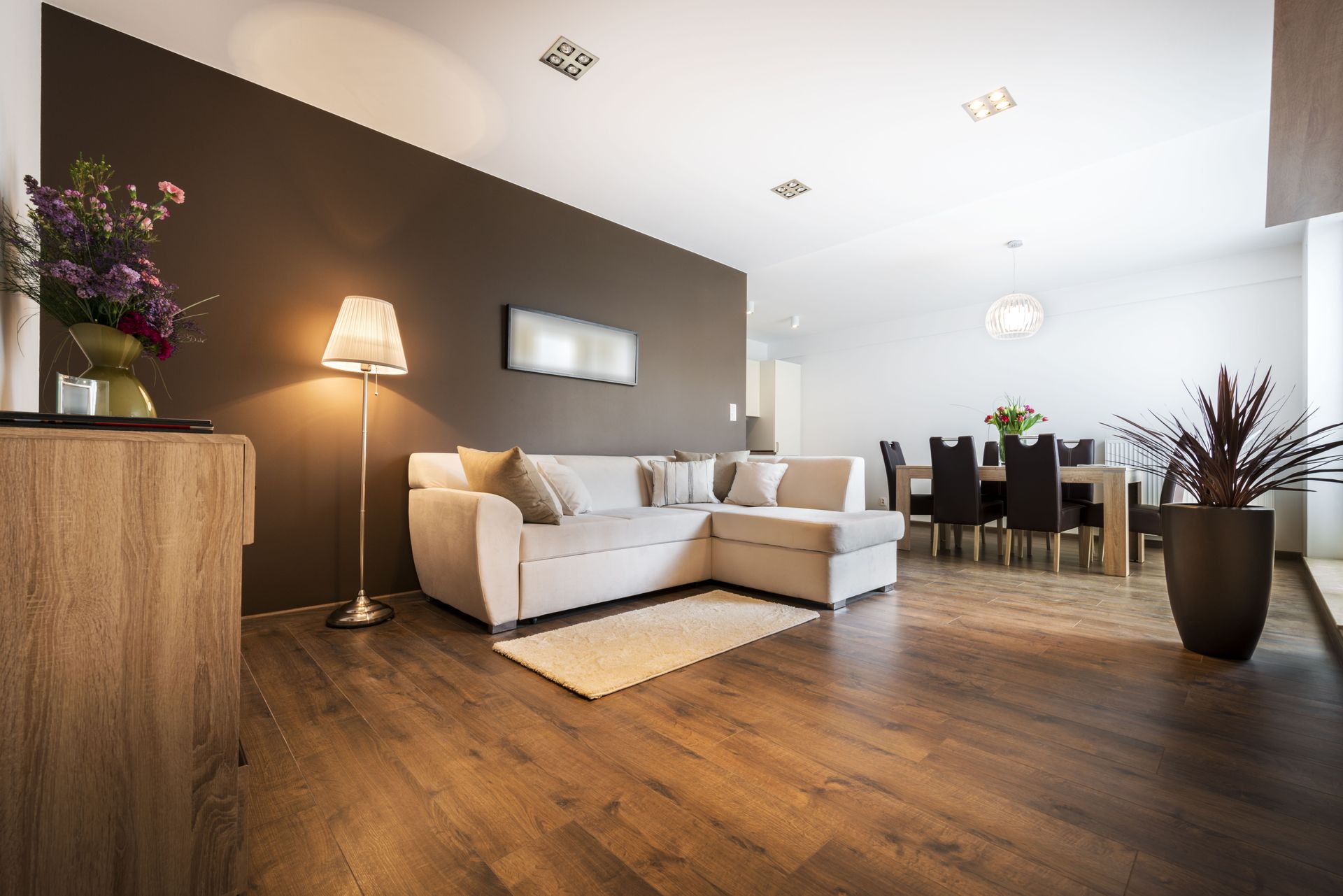
Contemporary minimalist style is characterized by its focus on simplicity and functionality. This style embraces the concept of "less is more," often highlighting clean lines and unobtrusive forms. The minimalist palette typically includes neutral shades like whites, blacks, and grays, which create a calming and serene environment. Functionality takes precedence here, with furniture pieces designed to serve multiple purposes without overwhelming the space. Minimalism thrives on reducing clutter, allowing for a more open and breathable interior setup.
One of the hallmarks of the contemporary minimalist style is its adherence to uncluttered and open spaces, which enhances mental clarity and peacefulness. This style prioritizes practicality over excess, encouraging a thoughtful and intentional approach to choosing furnishings. Clean lines in furniture design promote visual harmony and balance, which can be crucial in smaller living areas. By focusing on essential pieces and streamlining decor, homes can achieve a spacious feel without sacrificing comfort or style. Consequently, minimalist interiors are not only stylish but also foster a sense of tranquility.
The minimalist style is increasingly popular worldwide, indicative of a shift towards more sustainable and purposeful living environments. The emphasis on quality over quantity cultivates spaces that are both aesthetically pleasing and functionally superior. Moreover, the neutral color palette of this style allows homeowners flexibility in periodically updating their decor without substantial alterations. This adaptability is especially important as people increasingly look to invest in lasting pieces that adapt to evolving trends and personal tastes. Minimalism thus fosters a cleaner, more efficient lifestyle that resonates with modern sensibilities.
2. Complementary Decor
The contemporary minimalist style gains depth and interest through strategic decor choices that accentuate its clean, simple foundations. Abstract art is a particularly effective way to introduce personality and color without disrupting the room's minimalist aesthetic. Such pieces can either contrast or complement a room’s color palette, providing visual interest that draws the eye and stimulates thought. Alongside abstract art, minimal decor often includes understated decorative objects such as sleek vases, monochromatic pillows, or a single statement rug. These elements work together to maintain the room’s balanced ethos while subtly emphasizing individuality.
Textiles play a vital role in softening minimalist spaces and providing warmth without overwhelming the design. Subtle additions like woven throws, textured carpets, or fabric wall hangings break the rigidity of minimalism, making spaces cozier and more inviting. Use of subtle patterns or single-tone textiles can also inject a sense of homeliness into the carefully structured environment. When selecting decor, it's important to ensure these pieces enhance rather than detract from the simplicity of the existing furnishings. By harmonizing decor with foundational elements, minimalist interiors achieve a refined look that's simultaneously chic and functional.
3. Mid-Century Modern Style
Mid-century modern style is synonymous with organic shapes, clean lines, and bold functionality. Its iconic features include tapered legs, a mix of diverse textures and materials, and a propensity for fluid, aesthetically pleasing forms. Originating from the mid-20th century, this style combines traditional craftsmanship with innovative design to craft timeless pieces. Its luxurious simplicity allows mid-century modern furniture to easily adapt and fit into contemporary homes while maintaining a distinctive edge. This design focuses heavily on creating harmony between domestic interiors and the outdoor landscape, capturing the essence of post-war modernist sensibilities.
The beauty of this style lies in its focus on functional elegance, offering pieces that are simultaneously artistic and pragmatic. Mid-century designs prioritize utility without sacrificing aesthetics, with furniture created to suit various purposes within a given space. Many designs from this era feature modular constructions that cater to dynamic living arrangements. This adaptability makes mid-century modern furnishings ideal for modern lifestyles, which frequently demand functional versatility. As mid-century modern design continues to inspire, its influence is felt not only in furniture but in architecture and decor, emphasizing its enduring popularity.
4. Timeless Furniture Pieces
Celebrated for their iconic status and timeless design, mid-century modern furniture pieces have endured in popularity for decades. The Eames Lounge Chair and Ottoman epitomizes luxury and comfort, making it a staple in upscale homes worldwide. This piece combines the opulence of high-quality leather with a curved plywood shell, resulting in a sophisticated yet utterly inviting seating option. Another quintessential piece is the Noguchi Table, with its organic shape and form that exquisitely balance artistry and function. The simplicity of its design makes it adaptable to various interior styles, offering both aesthetic and utilitarian value.
The Tulip chair by Eero Saarinen revolutionized furniture design by employing a single-legged form, producing a sleek, unfettered silhouette. Its minimalist design is complemented by comfortable cushioning, making it a versatile chair suited for dining and casual seating alike. The distinctive shape and form factor of the Tulip chair exemplify the creativity at the heart of mid-century design, resulting in a piece that remains a firm favorite. Each of these iconic pieces not only fulfills its practical role but also serves as an expression of the designer's unique vision, a testament to the enduring appeal of mid-century modern aesthetics.
Thoughtfully incorporating these must-have furniture styles into modern interiors allows homeowners to create spaces that are not only visually appealing but also highly functional and comfortable. Contemporary minimalist pieces provide clean lines, open layouts, and a focus on simplicity, helping to reduce clutter and foster a sense of calm and order. Complementary decor, such as abstract art, subtle textiles, and strategically placed greenery, adds warmth, personality, and organic energy, enhancing the overall atmosphere without disrupting the minimalist aesthetic.
Mid-century modern furniture, with its iconic designs, tapered legs, and emphasis on functional elegance, offers a timeless appeal that continues to influence contemporary interior design. Iconic pieces like the Eames Lounge Chair, Noguchi Table, and Tulip Chair combine artistry and practicality, demonstrating that furniture can be both a statement and a utility. These pieces seamlessly blend into modern homes, providing versatility while maintaining a sophisticated edge. Contact HJ Designs to learn more!
Share On: